

Vitamin D and Metabolic Health: Benefits, Deficiency Signs and Normal Levels
Jul 11, 2026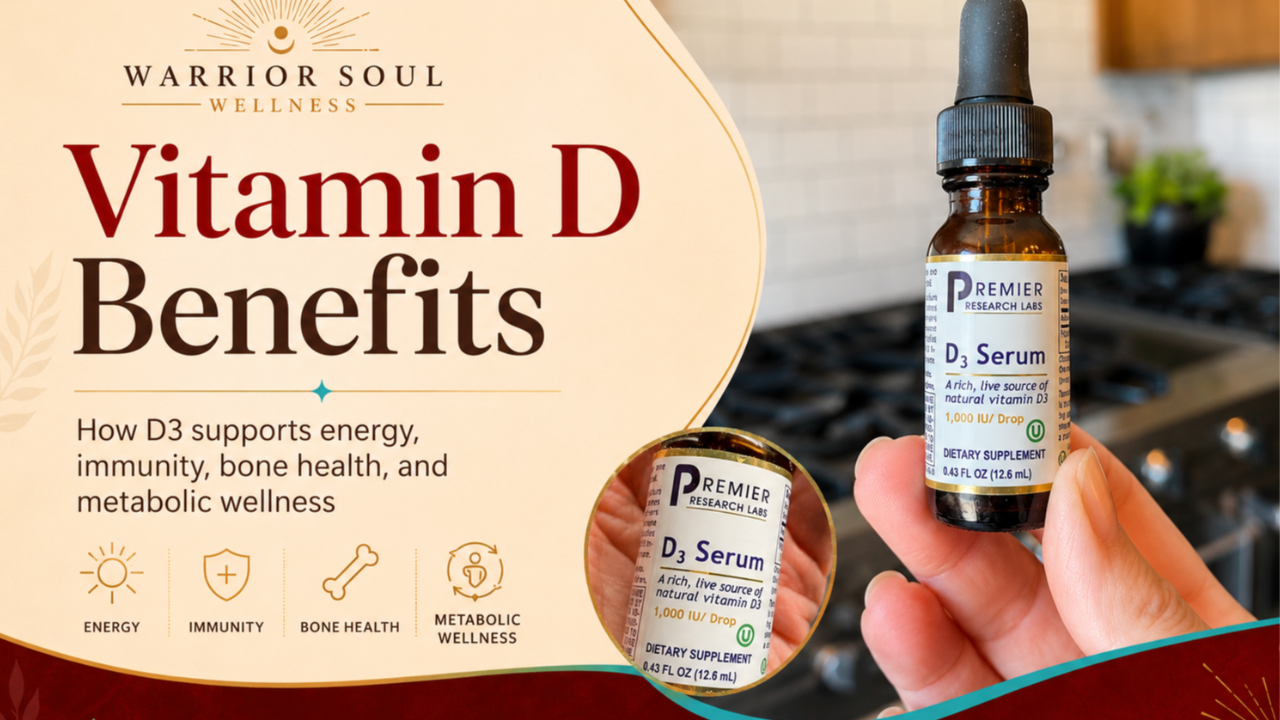
Vitamin D: The Sunshine Vitamin Your Metabolism May Be Missing
When most people think about vitamin D, they think about sunshine and strong bones. But vitamin D does far more than support your skeleton. It also plays an important role in muscle function, immune health, inflammation, mood, and several processes involved in metabolic health.
Vitamin D is unique because it behaves more like a hormone than a typical vitamin. Receptors for vitamin D are found throughout the body, which helps explain why low levels may affect how we feel and function in so many different ways.
Unfortunately, vitamin D deficiency can be easy to overlook. You may be eating well, exercising, and doing many of the “right” things, yet still have a low level.
Why Is Vitamin D So Important?
One of vitamin D’s best-known responsibilities is helping your body absorb calcium and phosphorus. These minerals are essential for maintaining strong bones and teeth.
Vitamin D also supports:
- Normal immune system function
- Muscle strength and physical performance
- Healthy inflammatory responses
- Bone density and fracture prevention
- Normal nerve and neuromuscular function
- Healthy aging
- Cardiovascular and metabolic processes
When vitamin D remains too low for an extended period, the body may have difficulty absorbing enough calcium. In adults, severe deficiency can contribute to osteomalacia, a condition that causes weak, painful bones. Low vitamin D may also contribute to muscle weakness and an increased risk of falls, particularly in older adults.
Vitamin D and Metabolic Health
Metabolic health describes how effectively your body manages blood sugar, insulin, body fat, blood pressure, cholesterol, and energy production.
Vitamin D appears to be connected to several of these processes.
Vitamin D receptors are present in the pancreas, muscles, and fat tissue. Researchers have studied how vitamin D may influence insulin production, insulin sensitivity, glucose metabolism, and inflammation.
Low vitamin D levels are frequently associated with:
- Insulin resistance
- Higher blood sugar
- Prediabetes and Type 2 diabetes
- Metabolic syndrome
- Increased abdominal or visceral fat
- Obesity
- Higher levels of inflammation
However, it is important to understand the difference between an association and a proven cause.
People with obesity and metabolic dysfunction are more likely to have low vitamin D, but low vitamin D is not necessarily the sole reason those conditions developed. Because vitamin D is fat-soluble, a greater amount may become stored in body fat, leaving less vitamin D circulating in the bloodstream.
Research suggests that correcting a deficiency may help support healthy insulin function in some people, especially those who are deficient or have prediabetes. Vitamin D supplementation alone, however, is not a weight-loss treatment and should not replace balanced nutrition, strength training, regular movement, adequate sleep, or medical care.
Think of vitamin D as one piece of the metabolic-health puzzle, not the entire puzzle.
What Happens When Vitamin D Is Too Low?
Vitamin D deficiency does not always cause obvious symptoms. Some people discover that their level is low only after routine bloodwork. When I started my journey to better metabolic health, my level was at a 26!
Possible signs of low vitamin D may include:
- Fatigue or low energy
- Muscle weakness
- Muscle aches or cramps
- Bone discomfort
- Frequent illness
- Slower recovery from exercise
- Low mood
- Reduced physical performance
- Increased risk of falls or fractures
These symptoms can also be caused by thyroid disorders, anemia, hormonal changes, sleep problems, nutritional deficiencies, medications, and many other health conditions. That is why testing is more reliable than guessing based on symptoms.
Severe or long-term deficiency can have more serious consequences for bone health and calcium metabolism.
What Is a Normal Vitamin D Level?
Vitamin D status is measured with a blood test called **25-hydroxyvitamin D**, often written as **25(OH)D**.
According to the National Institutes of Health:
- Below 12 ng/mL: Vitamin D deficiency
- 12 to below 20 ng/mL: Generally considered inadequate
- 20 ng/mL or higher: Adequate for most people’s bone and overall health
- Above 50 ng/mL: May be associated with potential adverse effects, particularly as levels continue to rise
You may also see results reported in nmol/L. To convert ng/mL to nmol/L, multiply by 2.5.
There is some disagreement among laboratories and healthcare practitioners about what should be considered “optimal.” Some practitioners prefer to see levels of at least 30 ng/mL in certain patients. However, the Endocrine Society’s updated guidance explains that there is not enough evidence to establish one universal blood level that guarantees disease prevention for every healthy person.
Your ideal range may depend on your medical history, age, bone health, medications, kidney function, digestive health, and risk of deficiency. Always review your laboratory result with a qualified healthcare professional rather than treating the number by yourself.
Who Is More Likely to Have Low Vitamin D?
You may be at greater risk if you:
- Spend very little time outdoors
- Regularly cover most of your skin
- Use strong sun protection consistently
- Have darker skin
- Are over age 65
- Live in an area with limited winter sunlight
- Have obesity
- Have osteoporosis or low bone density
- Have difficulty absorbing dietary fat
- Have Crohn’s disease, celiac disease, or another malabsorption condition
- Have undergone gastric bypass surgery
- Have liver or kidney disease
- Take certain medications that affect vitamin D metabolism
Women in midlife and beyond should pay particular attention to vitamin D, calcium intake, protein, resistance training, and bone-density screening. Declining estrogen during menopause can accelerate bone loss, making overall bone-health habits increasingly important.
Can You Get Enough Vitamin D From Food?
Vitamin D is naturally found in relatively few foods.
Food sources include:
- Salmon, sardines, trout, and other fatty fish
- Cod liver oil
- Egg yolks
- Beef liver
- Vitamin D-fortified milk
- Fortified plant-based milks
- Fortified cereals
- Some UV-exposed mushrooms
Sunlight can also stimulate vitamin D production in the skin. However, the amount produced varies based on season, location, skin pigmentation, age, time outdoors, clothing, sunscreen use, and other factors.
Because sun exposure also increases skin-cancer risk, spending unprotected time in the sun is not a precise or universally safe vitamin D prescription.
How Much Vitamin D Do You Need?
The recommended dietary allowance for most adults is:
- 600 IU daily for adults through age 70
- 800 IU daily for adults over age 70
These recommendations are designed to meet the needs of most generally healthy people. Someone with a documented deficiency may require a different amount for a limited time under professional supervision.
More is not always better.
The general tolerable upper intake level for adults is 4,000 IU per day, although a healthcare professional may prescribe a higher amount temporarily to correct a deficiency. Long-term high-dose supplementation should be monitored with laboratory testing.
Can Vitamin D Become Too High?
Yes. Vitamin D is fat-soluble, meaning the body can store it. Excessive supplementation can cause vitamin D toxicity and dangerously high blood calcium levels.
Possible signs of excess vitamin D or high calcium include:
- Nausea or vomiting
- Loss of appetite
- Constipation
- Excessive thirst
- Frequent urination
- Weakness
- Confusion
- Kidney stones
- Kidney damage
- Irregular heartbeat
Vitamin D toxicity is usually caused by taking excessive supplement doses, not by ordinary food consumption or typical sun exposure.
People with kidney disease, elevated calcium, hyperparathyroidism, sarcoidosis, or certain other medical conditions should speak with their healthcare provider before taking vitamin D.
Should You Take Vitamin D3?
Vitamin D supplements are commonly available as vitamin D2 or vitamin D3. Both forms can raise blood levels, but vitamin D3 is often used because it tends to raise and maintain vitamin D status effectively.
Because vitamin D is fat-soluble, taking it with a meal containing some healthy fat may improve absorption.
The most appropriate amount should be based on your diet, health history, medications, sun exposure, and bloodwork. Avoid assuming that everyone needs a high-dose product.
Two High-Quality Vitamin D Options
Supplement quality matters. I prefer professional-quality brands that prioritize ingredient sourcing, testing, and manufacturing standards. I carry many supplement lines at my wellness studio, but if you aren't local, you can order.
Thorne
Thorne offers several vitamin D options in different strengths and formats, making it easier to choose a product that matches your individual needs.
My friends and clients automatically receive 10% off through my Thorne link:
Shop Thorne and receive 10% off (https://www.thorne.com/u/PR1522580)
Premier Research Labs
Premier Research Labs also offers professional-quality nutritional supplements.
To receive 10% off:
1. Create your Premier Research Labs account here (https://prlabs.com/customer/account/create/code/afb17a/)
2. Enter the following offer code at checkout:
10%_AFB17A_0O
Because vitamin D products can contain significantly different dosages, check the Supplement Facts panel carefully and select your dose based on your bloodwork and professional guidance.
The Warrior Soul Bottom Line
Vitamin D supports far more than healthy bones. It contributes to muscle function, immunity, healthy aging, and processes associated with blood-sugar regulation and metabolic wellness.
Low vitamin D may be one hidden factor making it harder for your body to function at its best, but supplementation should never be a guessing game.
Know your number. Review it with a qualified provider. Correct a true deficiency safely, and continue supporting your metabolism with the daily habits that matter most:
- Protein-rich, nutrient-dense meals
- Strength training
- Regular walking and cardiovascular movement
- Quality sleep
- Stress management
- Healthy body composition
- Appropriate laboratory testing
Your health is not defined by one number, one supplement, or one habit. It is the result of understanding your body and consistently giving it the support it needs.
"This article is for educational purposes only and is not intended to diagnose, treat, cure, or prevent any illness. Speak with your physician or qualified healthcare provider before beginning a supplement, especially if you have a medical condition, take prescription medication, are pregnant, or have abnormal calcium, kidney, or parathyroid results."
XO Shelly
Subscribe to Warrior Soul Newsletter!
We do not SPAM. We will never sell your information, for any reason.
